European consumers are facing an expensive winter as energy prices surge and EU governments keen to soften the blow may well turn to the companies making huge windfall profits for cash.
European diesel prices are up 50% since February, while natural gas has more than doubled in price. At the same time, British Petroleum (BP) posted per-share earnings that were 147% higher than last year.
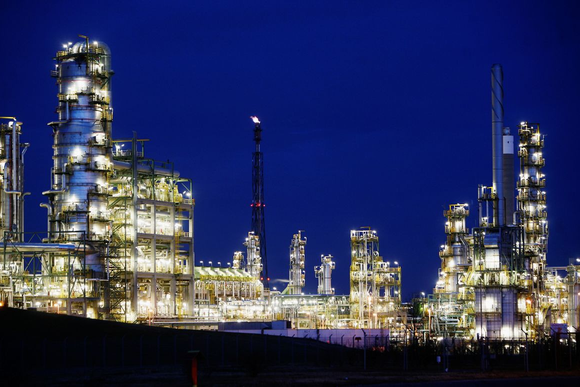
The company's refineries, towering metal monstrosities that 'crack' crude oil into its component parts, nearly tripled their margins to $30 per barrel. Other oil majors like Exxon Mobil and TotalEnergies increased their profits by at least 30% year-on-year. Big oil faces a $32 billion "dilemma" over how to spend all the extra money, as the Financial Times put it.
During the last energy crisis, the think tank Bruegel estimates that EU countries spent upwards of €400 billion to soften the blow of then-sky-high gas prices – often paid for by cheap loans.
For the second energy crisis of the decade, that is no longer an option.
Borrowing costs have more than tripled for many EU countries. By summer, Bruegel estimated that energy relief measures worth just €12 billion had been put in place. That number is undoubtedly higher now, but will still fall far short of the 2022 intervention.
But the worst is yet to come. And even if the US administration brokers a peace with Iran after the US midterms in November, oil supply chain disruptions will be felt for many months afterwards.
European governments will want to be seen doing something – but with whose money? Thursday's European Council showed that divisions run deep, even on carbon emissions policies that are now legally established schemes. So where should they turn? The answer seems obvious.
|